
Introduction
Screen Protector vs. Tempered Glass has been one of the most common debates among smartphone users. Everyone wants to know: which option actually protects your phone better? Both solutions promise to keep your device safe from scratches, cracks, and everyday wear, but only one truly provides reliable protection against real-world accidents.
At Arora Tech, we’ve worked on hundreds of devices where customers thought a flimsy plastic screen protector was enough—until their phone slipped out of their hand. On the other hand, we’ve also seen how a well-installed tempered glass saved a $1,000 iPhone or Samsung Galaxy from total screen replacement.
In this ultimate guide, we’ll break down 9 crucial truths about screen protector vs. tempered glass so you can make the smartest choice. By the end, you’ll understand exactly which option is worth your money and what to do if your phone still ends up damaged.
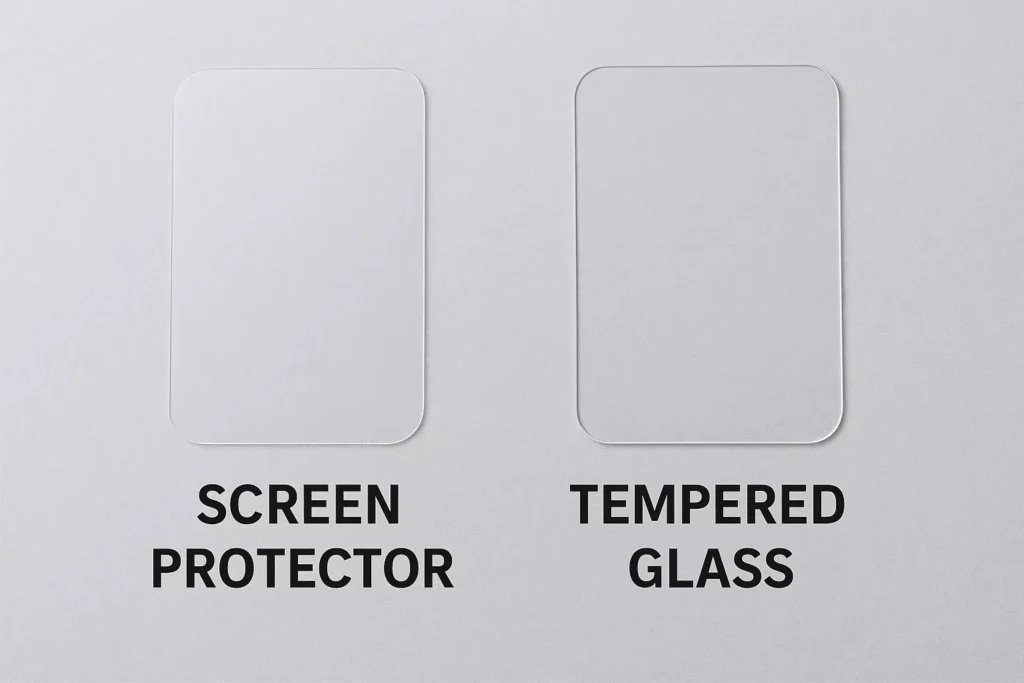
1. Screen Protector vs. Tempered Glass: Understanding the Basics
When comparing screen protector vs. tempered glass, it’s important to first define what each one is.
- Screen Protectors (Plastic Film):
These are thin, flexible sheets made of PET or TPU plastic. They’re designed primarily to prevent scratches from keys, coins, and light surface contact. They are usually inexpensive and nearly invisible when applied correctly. - Tempered Glass:
Made from heat-treated glass, tempered glass is much thicker and stronger. It not only prevents scratches but also absorbs impact from drops, helping to stop your phone’s actual screen from shattering.
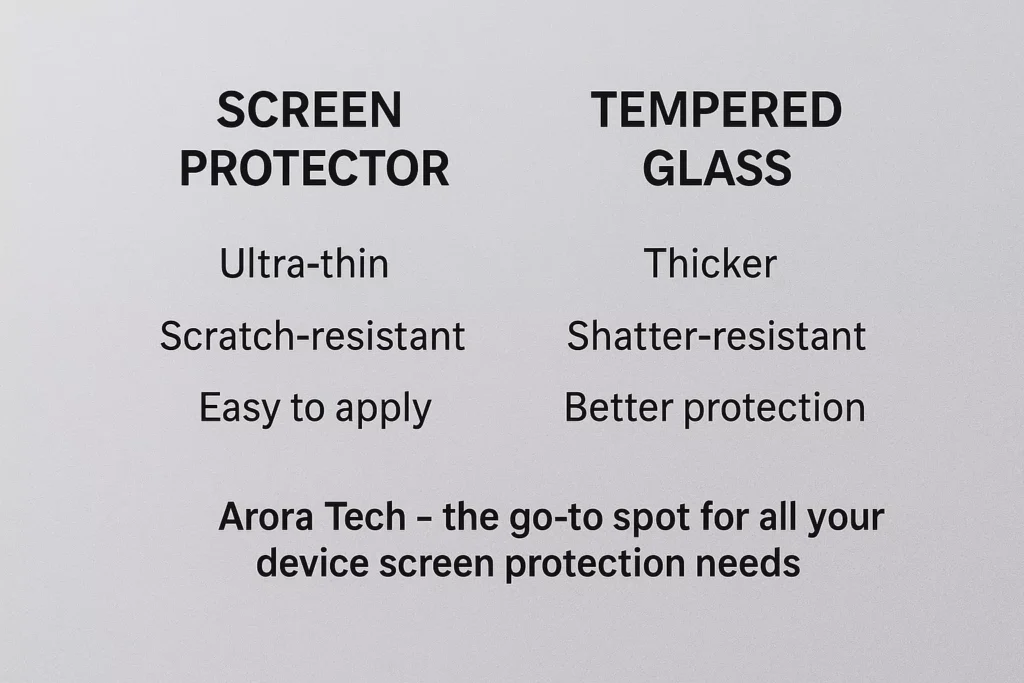
Truth #1: Plastic screen protectors only protect against scratches, while tempered glass protects against both scratches and drops.
2. Durability Difference Between Screen Protector vs. Tempered Glass
Durability is one of the most significant differences in the screen protector vs. tempered glass debate.
- Screen Protectors: They’re easily scratched, bubble up over time, and don’t last long. Many users replace them every few months.
- Tempered Glass: Lasts much longer, resists scratches, and can withstand drops that would destroy a plastic protector.
Truth #2: Tempered glass is far more durable and long-lasting than plastic screen protectors.
3. Protection Against Drops and Cracks
Most people buy protection for one reason: to prevent cracked screens.
- Plastic Screen Protector: Offers little to no protection against drops. If you drop your phone, the protector may survive, but the actual screen will crack.
- Tempered Glass: Designed to absorb shock. In many cases, the tempered glass itself will crack, but your phone screen remains intact—a much cheaper fix.
Truth #3: In the battle of screen protector vs. tempered glass, tempered glass is the clear winner for drop protection.
4. Clarity and Touch Sensitivity
Another factor in the screen protector vs. tempered glass debate is clarity and responsiveness.
- Plastic Protectors: Often cause glare, reduce screen brightness, and feel slightly rubbery. Over time, they may turn yellow.
- Tempered Glass: Maintains the same clarity as your phone’s screen. It feels just like the original glass and maintains touch sensitivity.
Truth #4: Tempered glass gives a better user experience with no compromise on clarity or touch.
5. Ease of Installation
Ask anyone who’s tried applying a flimsy plastic protector—bubbles and dust are a nightmare.
- Screen Protectors: Extremely tricky to apply without bubbles. Usually requires multiple attempts.
- Tempered Glass: Much easier to install because it’s rigid and usually comes with installation kits.
Truth #5: Tempered glass is far easier to install and looks better once applied.
6. Price Comparison in Screen Protector vs. Tempered Glass
- Screen Protectors: Usually cost $2–$10.
- Tempered Glass: Usually cost $10–$30 depending on brand and quality.
At first glance, screen protectors seem cheaper. But if you replace them frequently, the cost adds up. One tempered glass can last years, while you may replace several plastic protectors in the same time.
Truth #6: Tempered glass is more cost-effective in the long run.
7. Resistance to Fingerprints and Smudges
- Plastic Protectors: Attract fingerprints and smudges easily, requiring constant cleaning.
- Tempered Glass: Often comes with oleophobic coating, making it resistant to oils and smudges.
Truth #7: Tempered glass stays cleaner and clearer compared to plastic protectors.
8. Style and Premium Feel
Your phone is an expensive piece of tech, and its accessories should match that premium feel.
- Plastic Screen Protector: Cheap, flimsy, and sometimes noticeable at the edges.
- Tempered Glass: Thicker, blends seamlessly, and feels just like the actual screen.
Truth #8: Tempered glass feels more premium and improves overall user satisfaction.
9. Real-World Protection: Our Experience at Arora Tech
At Arora Tech, we’ve repaired countless devices with cracked screens where customers used only plastic protectors. On the flip side, we’ve also seen iPhones, Samsungs, and Google Pixels saved by tempered glass.
Truth #9: When it comes to screen protector vs. tempered glass, only tempered glass offers real-world protection.
Additional Insights
Screen Protector vs. Tempered Glass for Different Phone Models
- iPhones (Pro & Pro Max series): Tempered glass strongly recommended.
- Samsung Galaxy & Note series: Curved edges make cheap plastic protectors useless. High-quality tempered glass is the way to go.
- Budget Android Phones: Even with lower replacement costs, tempered glass saves you from frequent repairs.
Common Myths Debunked
- “Tempered glass makes the screen less responsive.” → False. Modern tempered glass maintains touch sensitivity.
- “Plastic protectors are just as good.” → False. They don’t protect against drops.
- “Tempered glass cracks too easily.” → True, but it’s designed to crack and absorb impact—saving your phone.
Why Arora Tech Recommends Tempered Glass
At Arora Tech, we don’t just sell or apply tempered glass—we’ve seen first-hand how it saves customers hundreds of dollars. Whether you own an iPhone, Samsung Galaxy, Google Pixel, or any other smartphone, tempered glass is your best defense against costly repairs.
And if your screen does crack, we’re here to help with fast, affordable repairs.
Visit Arora Tech Today
If you’re still debating screen protector vs. tempered glass, here’s the truth: tempered glass is the smarter choice. But if your screen is already cracked or damaged, don’t worry—Arora Tech has you covered.
📍 Store Address:
Next to UGG’s, 100 Premium Outlets Dr Store #785, Gloucester Premium Outlets, Blackwood, NJ 08012, United States
📞 Call Now: +1 856-723-6939
📧 Email Us: techbyarora@gmail.com
👉 Fill out our Repair Form
👉 Visit our Google Profile
👉 Explore Our Services
Conclusion
The screen protector vs. tempered glass debate may seem complicated, but the evidence is clear: tempered glass provides the best protection for your smartphone. From saving money and preventing cracks to keeping your device looking premium, tempered glass outshines plastic protectors in every way.
At Arora Tech, we help you make the right choices for your devices—and if protection fails, we’re here to repair your phone quickly and affordably.
So, the next time you wonder which option actually saves your phone, remember the 9 crucial truths from this guide—and trust Arora Tech to keep your device safe.

 by
by
One Response
It doesn’t matter!
_ _ _ _ _ _ _ _
rent a car fuengirola spain